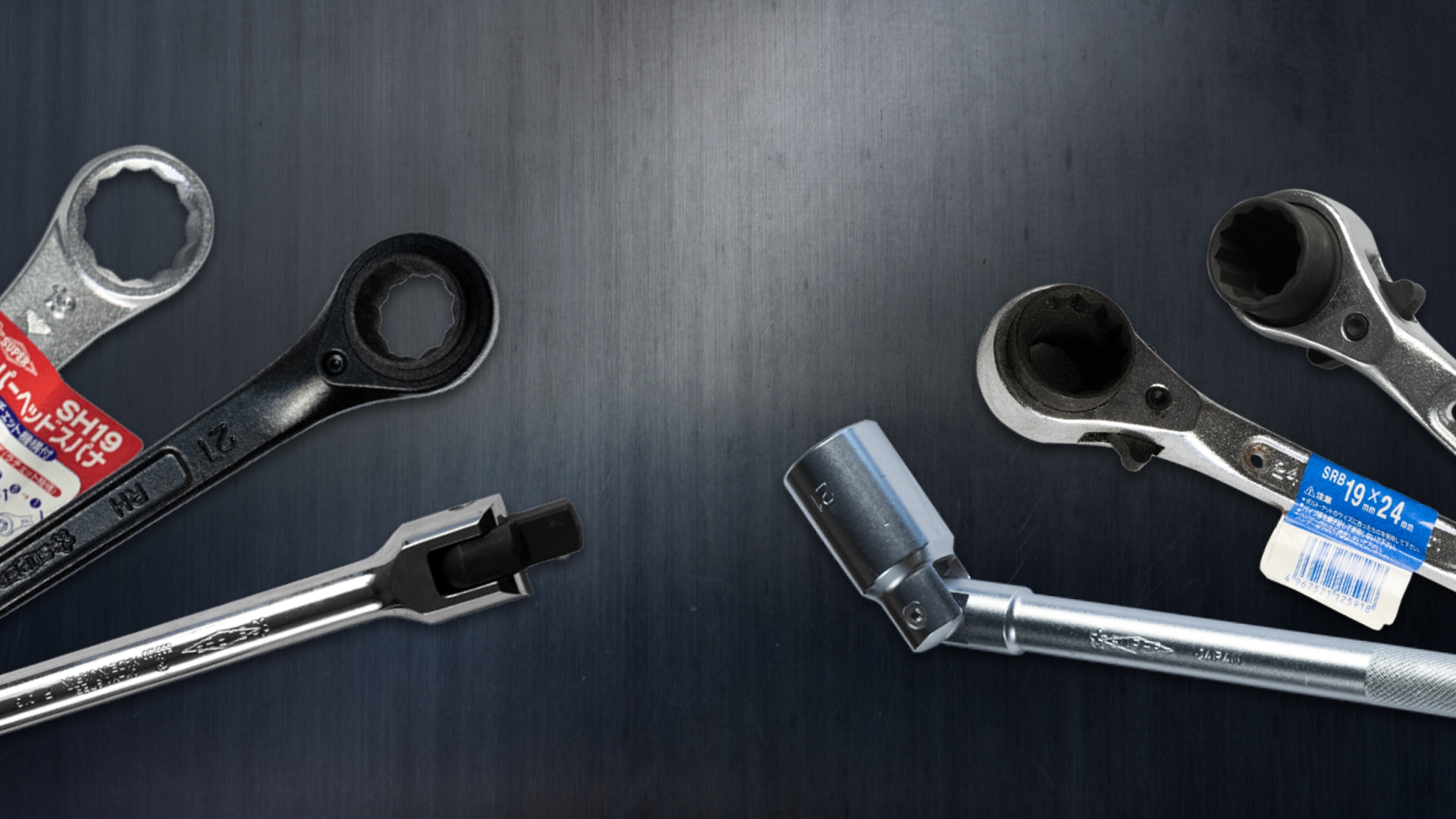
As a distributor, Steel Sage understands the critical role of selecting the right materials for tool making. So when it comes to providing top-quality tools to our customers, we partner with industry-leading manufacturers like Super Tools Japan and King Dick Tools to ensure that the tools we distribute meet the highest standards of performance and durability. Join us as we explore the fascinating world of steel and uncover the types commonly used in tool making.
Carbon Steel
Carbon steel is valued for its durability and versatility. This alloy, primarily composed of iron and carbon, forms the basis for various tool designs. With additional elements like manganese and chromium, carbon steel can be further enhanced to improve its strength and wear resistance. Carbon steel tools offer excellent edge retention and ease of sharpening, making them a popular choice across industries.
Used When Making:
In the automotive sector, it’s used in sockets and ratchets, providing reliability under high stress, and wrenches, which offer excellent wear resistance. Construction tools like hammers and nails benefit from carbon steel’s durability and strength. Hand tools such as screwdrivers and chisels are favoured for their long-lasting sharp edges, making them ideal for precision tasks. In machining, carbon steel drill bits and taps, and dies maintain sharp cutting edges and durability, essential for precise and efficient threading and drilling operations.
Alloy Steel
Alloy steel, made from blend of iron and additional alloying elements like chromium, nickel, and molybdenum, offers superior mechanical properties compared to carbon steel. These elements enhance hardness, toughness, and corrosion resistance, making alloy steel tools ideal for demanding applications in construction, automotive, and other heavy-duty industries.
Used When Making:
In the automotive sector, it’s used in sockets, ratchets, and wrenches. Construction tools include high-strength hammers and nails. Hand tools like screwdrivers and chisels benefit from its durability. In machining, alloy steel is used in drill bits and taps and dies for precise threading and drilling.
Tool Steel
Tool steel is tailor-made for tool making, offering a perfect balance of hardness, toughness, and wear resistance. Made to withstand repeated impact and abrasion, tool steel is available in various grades to meet the specific requirements of different tools including precision machining or heavy-duty forging, tool steel tools excel in a wide range of industries and applications.
Used When Making:
In the automotive sector, it’s used for making durable sockets, ratchets, and wrenches. Construction tools like high-performance hammers and nails are made from tool steel. Hand tools such as screwdrivers and chisels benefit from its ability to hold a sharp edge. In machining, tool steel is used in drill bits and taps and dies for precise and efficient threading and drilling operations.
Stainless Steel
Stainless steel is praised for its corrosion resistance, making it the perfect choice for tools exposed to harsh environments or corrosive substances. With a composition that includes iron, chromium, and other alloying elements, stainless steel forms a protective oxide layer on its surface, preventing rust and corrosion. Stainless steel tools are essential in industries such as food processing, marine engineering, and healthcare, where hygiene is of high importance.
Used When Making:
In the automotive sector, it’s used for making durable and rust-resistant sockets and wrenches. Construction tools like corrosion-resistant nails and fasteners are made from stainless steel. Hand tools such as screwdrivers and chisels benefit from its ability to withstand harsh environments. In machining, stainless steel is used in drill bits and taps and dies for applications requiring both precision and corrosion resistance.
High-Speed Steel (HSS)
High-speed steel is engineered to withstand high temperatures and maintain its cutting edge at elevated speeds. With a unique composition that includes tungsten, molybdenum, and vanadium, HSS tools can handle the intense heat generated during high-speed machining operations. This makes them indispensable in industries like aerospace, automotive, and precision engineering.
Used When Making
In the automotive sector, it’s used for making durable drill bits and taps. Construction tools like high-performance saw blades and cutting tools benefit from HSS’s heat resistance. Hand tools such as precision screwdrivers and chisels are often made from HSS for their superior cutting ability. In machining, HSS is commonly used in drill bits, end mills, and taps for high-speed machining operations requiring excellent hardness and wear resistance.
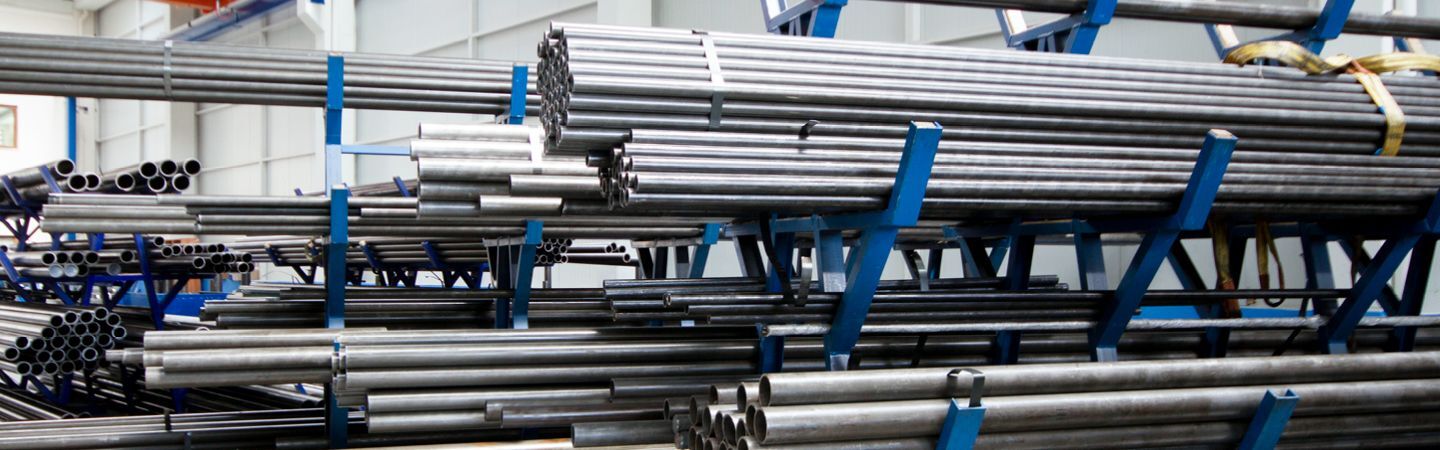
The choice of steel is crucial in determining the performance and longevity of tools. While there is some overlap and it may seem like the same tools are made from all these steel types, the choice of steel depends on the specific requirements such as hardness, wear resistance, and toughness needed for the tool’s application. Steel Sage partners with leading manufacturers like Super Tools Japan and King Dick Tools to provide our customers with a diverse range of steel tools crafted from the finest materials for their specific needs. By understanding the unique properties of each type of steel, we ensure that our customers always have access to tools that excel in their respective applications.