Every time a metal component is punched, sheared, or molded, tool steel is likely behind the scenes. Unlike mild structural steel (like S275 or S355), tool steel is engineered for a single purpose: to manipulate other materials without failing.
Whether you are a steel erector using a podger or a machinist creating precision dies, understanding what tool steel is made of and how different types of tool steel perform is essential for selecting the right gear for the job.
What is Tool Steel Made Of? (The Metallurgy)
Tool steel is a carbon alloy steel that contains specific “alloying elements” to enhance its mechanical properties. While carbon provides the base hardness, it is the addition of rare elements that gives tool steel its unique characteristics.
- Carbon (0.5% to 1.5%): The primary hardening agent. Higher carbon means higher hardness but lower toughness.
- Chromium: Increases resistance to corrosion and, more importantly, improves “hardenability”, the ability of the steel to be hardened through its entire cross-section.
- Molybdenum & Tungsten: These are the “secret ingredients” for heat resistance. They allow a tool to stay sharp even when friction makes it glow red.
- Vanadium: Forms incredibly hard carbides within the steel, providing unmatched abrasion resistance.
Types of Tool Steel: The AISC Classification
To make selection easier, tool steels are categorised by their hardening method or specific use case.
Shock-Resisting (S-Grades)
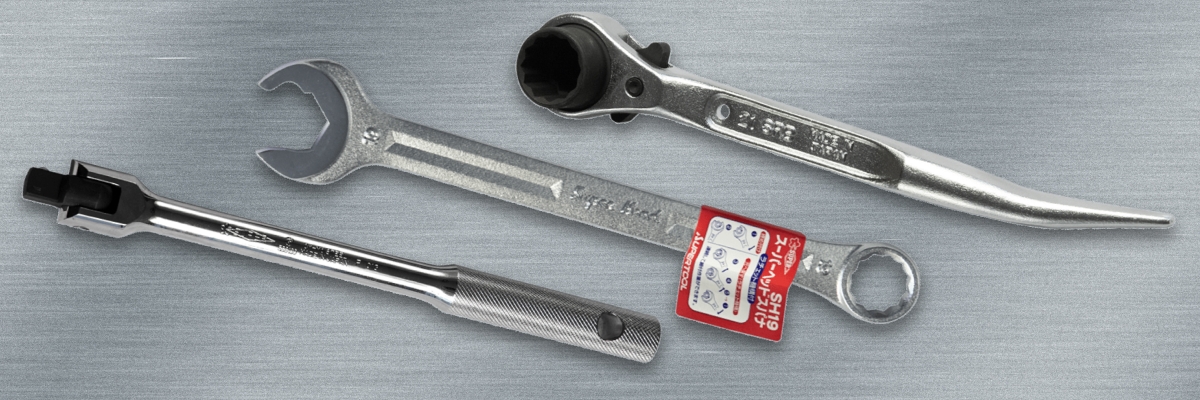
As a specialist in steel erecting tools, this is the most important category for Steel Sage customers. S-grade steel (like S7) is designed to withstand sudden, heavy impacts without shattering. This is what we use for high-quality drift pins and chisels.
Cold-Work (A, D, and O Grades)
These are used for parts that don’t get hot during use.
- O-Grades (Oil-Hardening): Great for general-purpose tools with good abrasion resistance.
- A-Grades (Air-Hardening): These have very low distortion during heat treatment, making them ideal for complex shapes.
- D-Grades (High Carbon/Chromium): The “workhorses” of the die-making world, offering extreme wear resistance.
High-Speed Steels (M and T Grades)
Used for drill bits and power saws. They can maintain their hardness at temperatures up to 600°C.
The Heat Treatment Process: Hardening vs. Tempering
A tool is only as good as its heat treatment. The process involves two critical steps:
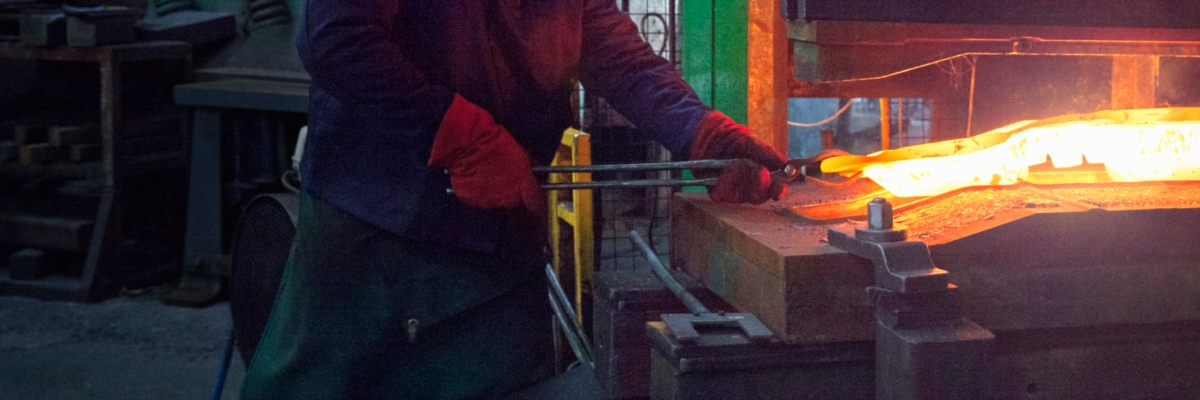
Hardening: Heating the steel to a critical temperature (usually 800°C+) and “quenching” it in oil, water, or air. This makes the steel incredibly hard but also as brittle as glass.
Tempering: Reheating the steel to a lower temperature to “toughness” it. This removes the brittleness while keeping enough hardness to perform.
Maintenance: How to Make Your Tools Last
Even the best tool steel alloys can fail if mistreated.
Avoid Overheating: If you use a grinder to sharpen a tool and the tip turns blue, you have “drawn the temper,” and that section of the steel is now soft and useless.
Rust Prevention: Tool steels (except for high-chrome D-grades) rust easily. Keep them oiled, especially in the damp UK climate.
Watch for Mushrooming: If the striking end of a pin starts to splay out (mushroom), grind it back immediately to prevent steel shards from flying off during a strike.
Tool Steel FAQ
Q: Is tool steel the same as stainless steel? A: No. While some tool steels contain chromium, they are prioritised for hardness rather than rust resistance. Stainless steel is generally too soft for heavy-duty tooling.
Q: Why is tool steel so expensive? A: The rare alloys (Vanadium, Molybdenum) and the complex, multi-stage heat treatment process make it significantly more costly than standard mild steel.